This business is active and transparent on social platforms like Instagram and Facebook. Real-time updates, community interaction, and support available.
Diese Seite unterstützt Ihren Browser nur eingeschränkt. Wir empfehlen, zu Edge, Chrome, Safari oder Firefox zu wechseln.
Complimentary shipping in Switzerland and on European orders over CHF 200. Preferential international delivery rates apply as your order value increases.
Aktuelle GCC-Lieferung: SFr. 100 CHFFügen Sie SFr. 250 CHF hinzu, um die Lieferkosten auf SFr. 75 CHF zu senken.Aktuelle GCC-Lieferung: SFr. 75 CHFFügen Sie SFr. 350 CHF hinzu, um die Lieferkosten auf SFr. 60 CHF zu senken.Aktuelle GCC-Lieferung: SFr. 60 CHFFügen Sie SFr. 400 CHF hinzu, um unseren günstigsten GCC-Liefertarif von SFr. 50 CHF freizuschalten.Sie haben unseren günstigsten GCC-Liefertarif von SFr. 50 CHF freigeschaltet.
Spend SFr. 0 CHF CHF more for FREE shipping.Herzliche Glückwünsche! Ihre Bestellung wird kostenlos versendet
Sorry, sieht so aus, als hätten wir nicht genug von diesem Produkt.
The Intelligence of Beauty: Discernment, Longevity and the Ripple Effect
What if the future of beauty isn't about having more, but knowing what is truly worth choosing?
For decades, much of the beauty industry has grown through expansion: more products, more steps, more correction, more novelty, and more promises.
But today's beauty consumer has access to more information than ever before. Ingredients can be investigated. Claims can be questioned. Prices can be compared. Reviews, scientific perspectives, manufacturing practices, and corporate behaviour are increasingly visible.
In The Intelligence of Beauty, Demee Koch explores what may come next: a beauty culture shaped less by accumulation and increasingly by discernment.
The paper examines the evolution from anti-aging toward longevity, from excess toward intentional consumption, and from responsibility as a marketing claim toward responsibility as normal business practice. At its centre is Conscious Beauty, a philosophy built around understanding the wider consequences of the choices we make.
Through the Ripple Effect, the paper asks us to consider what happens beyond the immediate purchase: what we formulate, manufacture, source, buy, discard, encourage people to consume, and ultimately leave behind.
It also introduces Smart Beauty™ as the product expression of Conscious Beauty, guided by a simple principle:
The paper culminates in a Beauty Intelligence Framework, offering questions that can be applied before buying, creating, recommending, retailing, investing in, or marketing beauty:
Need
Evidence
Performance
Relevance
Value
Simplicity
Longevity
Responsibility
Self
Attention
Ripple
Together, they offer a framework for asking not simply, "What can this product do?" but also, "What does this product allow the consumer not to need?"
Who It's For
Beauty founders and entrepreneurs
Brand leaders and product developers
Scientists and formulators
Retailers and distribution partners
Investors and industry decision-makers
Marketing and communications professionals
Beauty and wellness professionals
Consumers questioning what genuinely deserves a place in their routines
This is not an argument against luxury, innovation, marketing, or enjoying beauty.
It is an argument for approaching all of them with greater intelligence, intention, and responsibility.
Because perhaps the beauty signal of the future isn't:
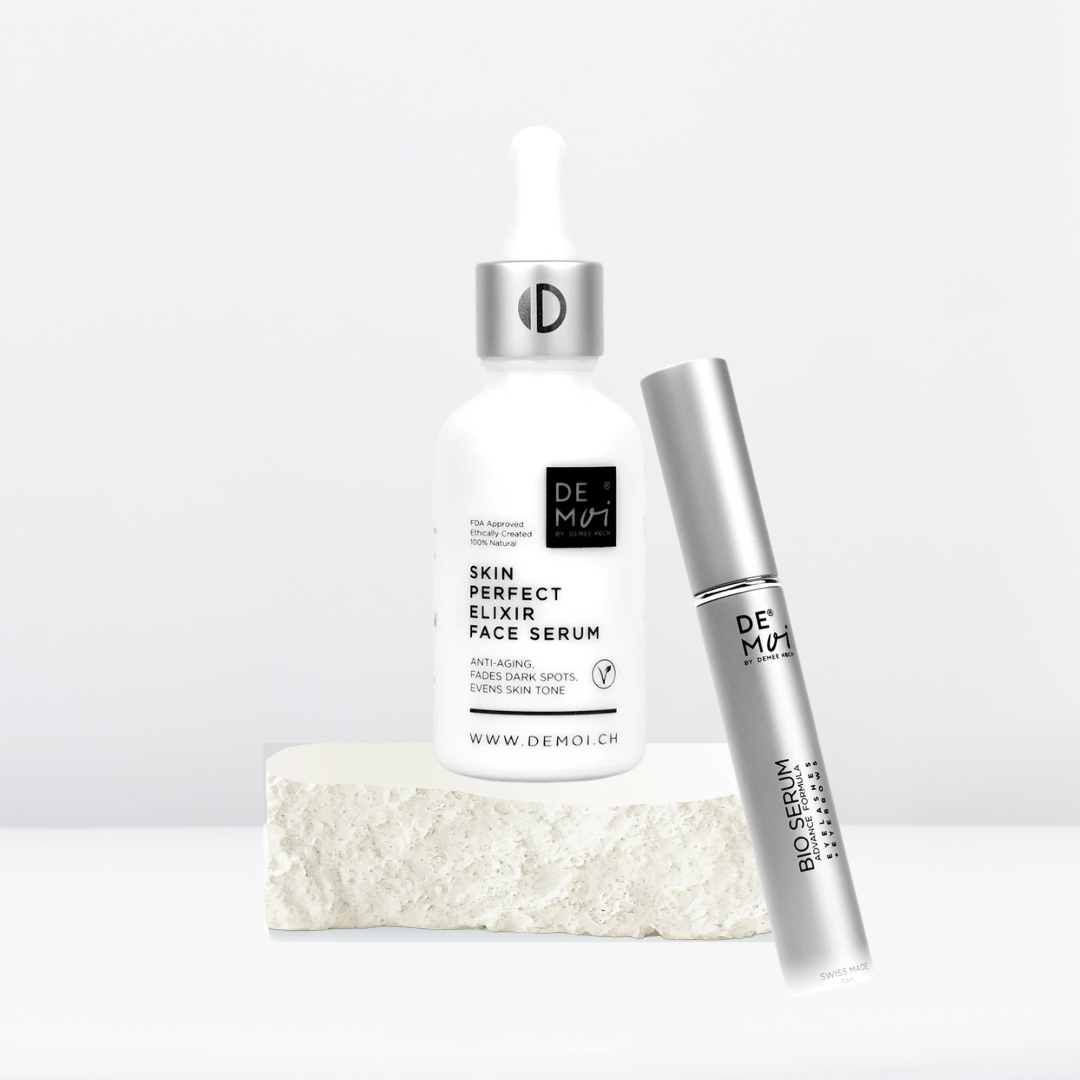
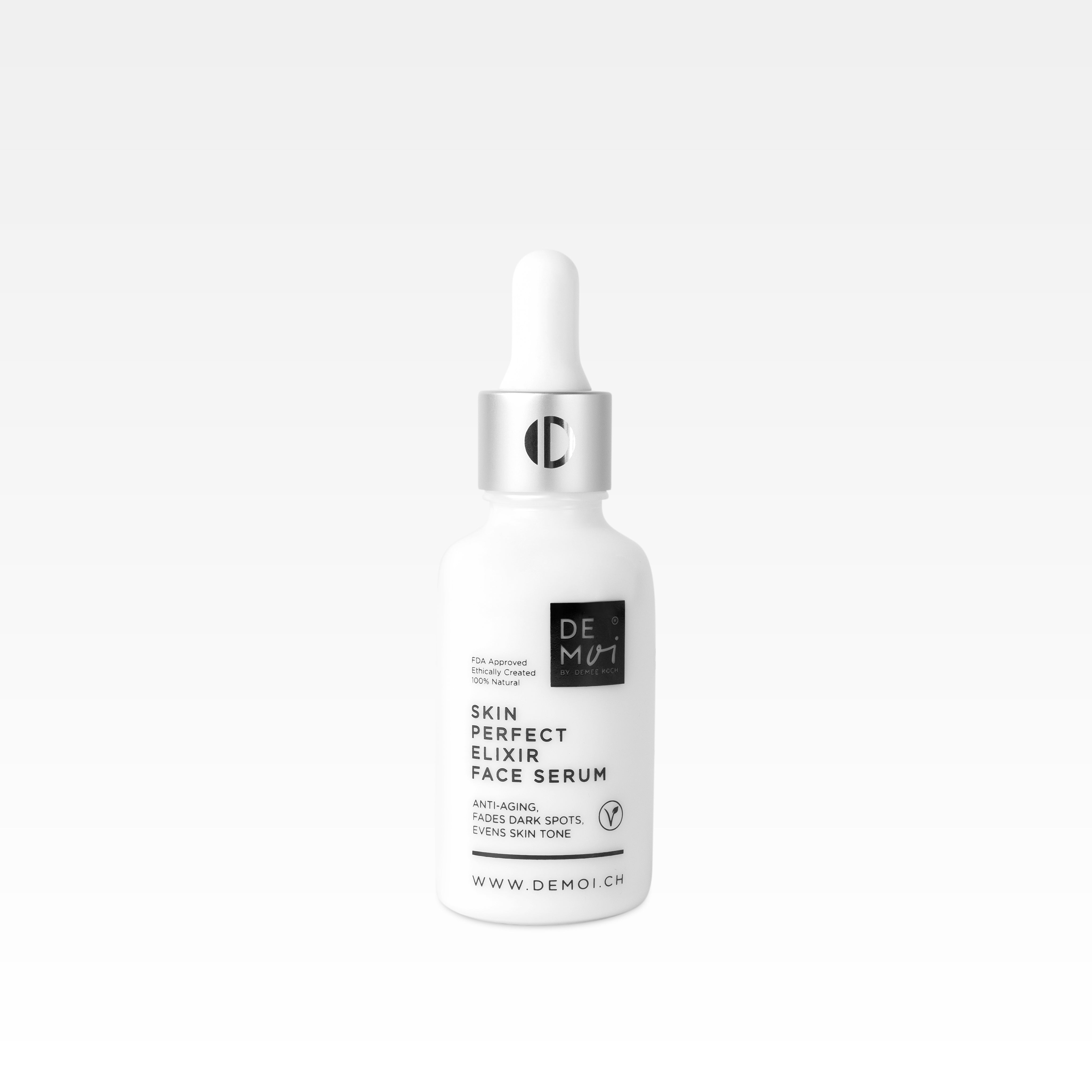
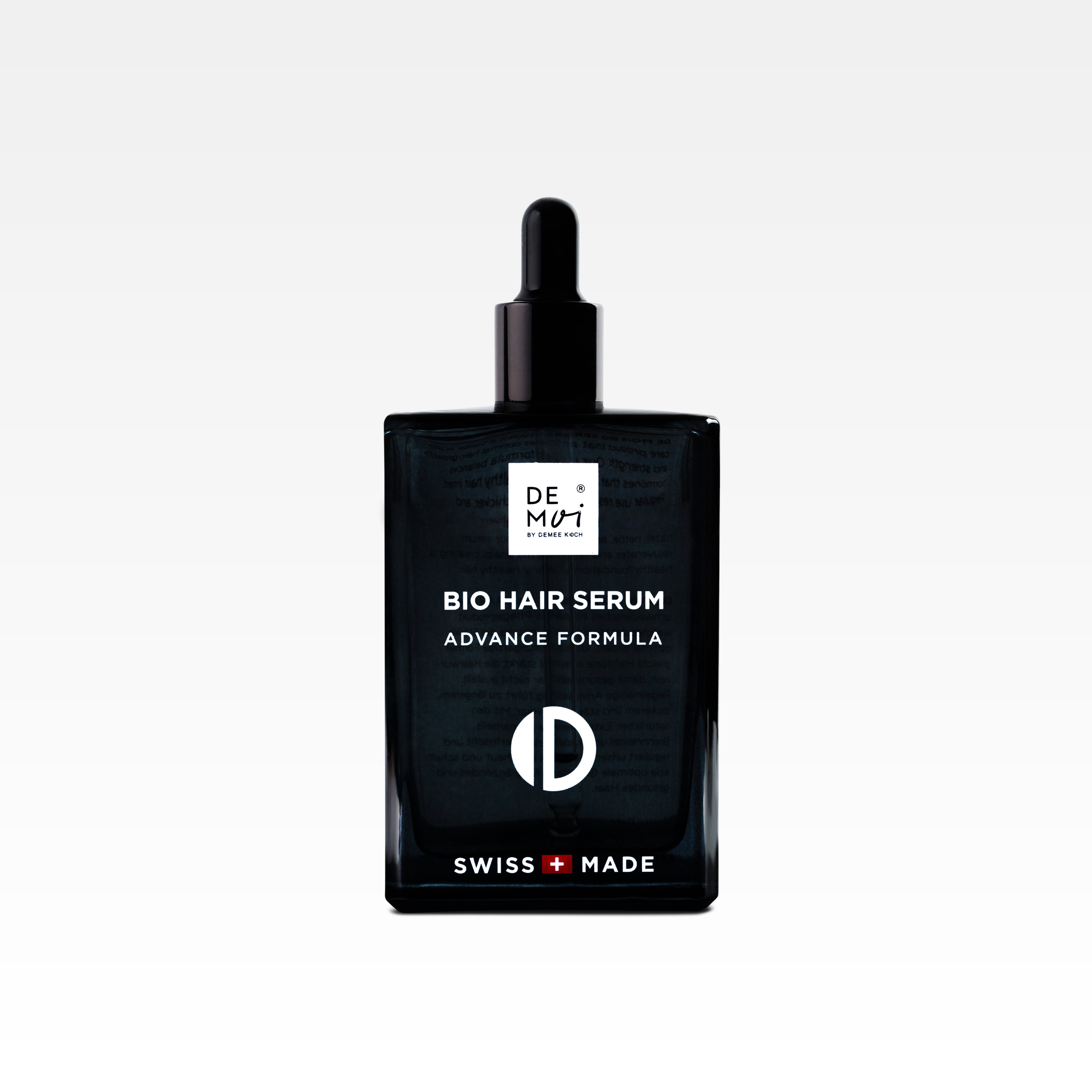
DE MOI, a Swiss beauty brand, embodies the essence of conscious beauty by crafting products that are cruelty-free, socially responsible, and environmentally sustainable. With over 20 years of combined expertise, DE MOI is dedicated to creating premium-quality beauty solutions that prioritize natural ingredients and ethical manufacturing practices. Its mission is clear: to help people look and feel their best while fostering a positive impact on the planet.
At its core, DE MOI is driven by the belief that beauty extends beyond aesthetics. The brand is committed to empowering customers to make choices that not only enhance their well-being but also contribute to a sustainable future. DE MOI’s product line features formulations devoid of harsh chemicals, ensuring gentle care for the skin while protecting the environment. By using recyclable packaging and sustainable materials, the brand underscores its dedication to reducing its ecological footprint.
Founded in 2018 by Demee Koch, DE MOI has rapidly gained recognition in the global beauty industry. Demee’s vision was to merge her passion for creating high-quality beauty products with her commitment to humanitarian initiatives. Her leadership and more than two decades of professional experience have been instrumental in establishing DE MOI as a trailblazer in ethical beauty.
One of the hallmarks of DE MOI is its focus on sustainability. The brand recognizes the growing demand for products made with natural ingredients and eco-conscious practices. This includes using recyclable packaging, reducing waste, and ensuring that every step of the production process aligns with environmentally friendly principles. DE MOI’s dedication to sustainability not only meets the expectations of modern consumers but also sets a standard for the industry.
DE MOI promotes the philosophy of "conscious beauty," emphasizing that beauty is not just about appearance but also about the power to effect positive change. Through its products, the brand inspires customers to make thoughtful decisions that benefit themselves, society, and the planet. DE MOI believes that true beauty lies in actions that uplift others and protect the environment.
The brand’s cruelty-free and vegan formulations reflect its commitment to ethical values. DE MOI’s products are never tested on animals, and the ingredients are meticulously sourced to ensure they meet the highest standards of quality and sustainability. This commitment resonates deeply with consumers who value transparency and integrity.
In addition to its product offerings, DE MOI actively engages in initiatives that raise awareness about conscious consumerism. By choosing DE MOI, customers are not only investing in effective beauty solutions but also supporting a brand that prioritizes social and environmental well-being.
DE MOI’s rapid growth and global success are a testament to its unwavering commitment to innovation and ethics. By redefining the beauty industry with its focus on conscious choices, the brand has become a beacon for those seeking products that align with their values. DE MOI invites everyone to join its journey toward a more beautiful and sustainable world.
Empower your beauty, embrace the planet, and choose DE MOI for a transformative experience that goes beyond skin-deep.
Our Commitment - The Conscious Beauty Movement
From Vanity to Self-Care
What does it mean to take care of yourself? A lot of people consider self-care as a selfish attitude and a sign of vanity. There are still those who insist that self-care is optional and non-essential that can be easily done without because there are more important priorities and commitments.
How wrong and harmful is it for your present and above all for your future lifestyle if there is no room to give yourself time to feel good and feel beautiful?
Self-care consists in loving and being kind to yourself. This requires a deep understanding of your needs and awareness of the weight your daily actions have. Self-care includes all those activities that make us feel good. But this does not mean that whatever makes us feel good is positive: there are behaviors that are objectively harmful to the environment.
DE MOI understands the heartfelt and current issue that has led to a real revolution: disrupting the world of beauty, converting to an ecological sense, and consistently taking measures to reduce our impact on the environment.
Join our journey that starts with your well-being and the environment. There might be unattainable ideals of beauty, but we are taking a completely new approach to beauty. Beauty is moving towards a sustainable future and normalizing social impact.
Koch, has also joined the Breaking Silence Movement a private, non-profit organization that fights gender-based violence as a board member.
A DE MOI fund has been established to help all nonprofit organizations the company collaborates with. DE MOI contributes to the large and complex sustainability ecosystem by structuring strategies that help identify the brand's strengths and criticalities toward responsible consumerism. It follows a path of development and continuous improvement drawing strength from the flywheel of credibility, seriousness and reputation inherited and cultivated over the years of its existence by understanding the mechanisms of nature and reproducing them into effective products. The brand underscores its social impact and continuously evaluates the benefits of its products for its users, producers, and society as a whole.
DE MOI also creates synergies between conscious consumers and sustainable products in the beauty sector. This is all in the name of safeguarding the environment, preserving ethical work, employing vegan and organic ingredients and reducing the amount of plastic packaging waste. Parabens, triclosan, sulfates, and other toxic chemicals and fillers have been replaced with nourishing alternatives including Swiss-formulated Alpha Arbutin, Hyaluronic Acid (2%), powerful antioxidants, and time-tested skin-illuminating and anti-aging botanicals.
DE MOI takes pride in its investment to create a virtuous circle between economic growth and doing good for the planet, in being part of a community that realizes the liveability needs of collaborators and the population, bringing eco-sustainability to the forefront and enhancing the surrounding resources by spreading positive values and motivation to achieve green and clean beauty. A guarantee of continuity with a harmonious development plan of rediscovering our well-being, putting more emphasis and growing determination towards innovation, responsibility, and sustainability.The Woman with a Passion for Developing Beauty Products of Substance and Achieving a Lasting Social Change
Courage, risk tolerance, resilience, and handling ambiguities together with passion for developing beauty products of substance and championing important causes is what Demee Koch equipped herself within the past two decades. She used her ability to navigate ambiguities and complexities with experience and success and took risks to rule in the highly competitive beauty industry.
Demee wanted to change the beauty industry with the best intentions by educating people about how brilliance knows no bounds regarding race or gender.
Having worked in more roles, functions, companies, and industries she has always been motivated in achieving concrete results and creating a positive impact. In fact, this must come from collaborating with other people and taking on more responsibility, driven more by a sense of general benefit to the company and the community she built than to herself.
DE MOI was born out of a passion for spreading happiness and love. Demee believes in beauty inside and out. She found beauty in her hometown of Cebu in the Philippines, her meanderings around the world, to the home she found in Zurich, Switzerland. But throughout her rich experiences, outstanding women succeed even in male environments, and it shouldn’t require exceptionality.
Demee believes that women shouldn’t merely serve as ideals of perfection and beauty. They don’t have to be perfect and unachievable; rather, they should change the game by listening to others, developing their abilities, and promoting women’s beauty, leadership and empowerment.
As a sought-after speaker, guest author, and commentator on the subject of conscious beauty and entrepreneurship, she strongly advocates healthy beauty, inclusivity, empowerment, and social impact. Recognized and honoured with awards as one of the most influential Filipinas in the world by Global FWN and as Ambassador of Peace by Universal Peace Federation UK, an NGO with general consultative status with the Economic and Social Council of the United Nations, Demee uses her influence to give back.
As a sought-after speaker, guest author, and commentator on the subject of conscious beauty and entrepreneurship, she strongly advocates healthy beauty, inclusivity, empowerment, and social impact. Recognized and honored with awards as one of the most influential Filipinas in the world by Global FWN and as Ambassador of Peace by Universal Peace Federation UK, an NGO with general consultative status with the Economic and Social Council of the United Nations, Demee uses her influence to give back. She shares her expertise in business and conscious entrepreneurship as a Forbes Business Council influencer through her articles.
Demee is a Member of the Corporate Board of the revolutionary boxing brand SPARBAR. She is also a shareholder and corporate board member of Luxvivendi , a company celebrating the finest in luxury products, services, food, and luxury experiences.
She also supports various other charity organizations working to improve the lives of others like the Voice of the Free, a hybrid organization that combines social care, social entrepreneurship, and mobilizing social movements to achieve lasting social change. The Breaking Silence Movement, a private, non-profit organization that fights gender-based violence recently welcomed Demee as a board member. She also established the DE MOI fund to benefit all the nonprofit organizations DE Moi collaborates with, including BSM and Voice of the Free.